P Visa for Athletes, Artists, and Entertainers
Athletes, performers, entertainers, touring groups, and production organizations entering the United States under the P visa category often face tight schedules, sponsorship coordination issues, and detailed evidentiary requirements. USCIS reviews event schedules, international recognition, contractual arrangements, and supporting documentation carefully before approving a petition.
The Law Offices of Luke Bowman assists athletes, performers, entertainment groups, sponsors, and production organizations with preparing P visa filings, addressing Requests for Evidence, and navigating immigration issues connected to performances, competitions, tours, and cultural events in the United States.
Understanding the P Visa Categories
The P visa category includes several classifications for athletes, entertainers, artists, and performers entering the United States for competitions, performances, tours, exchange programs, or cultural events. Eligibility requirements vary depending on the type of performance, organization, or event involved.
P visa petitions often require detailed itineraries, contracts, event schedules, sponsorship documentation, and evidence of recognition within the athlete’s or performer’s field. USCIS may also review group history, production schedules, or exchange program qualifications during the application process.
P-1A Visas for Athletes
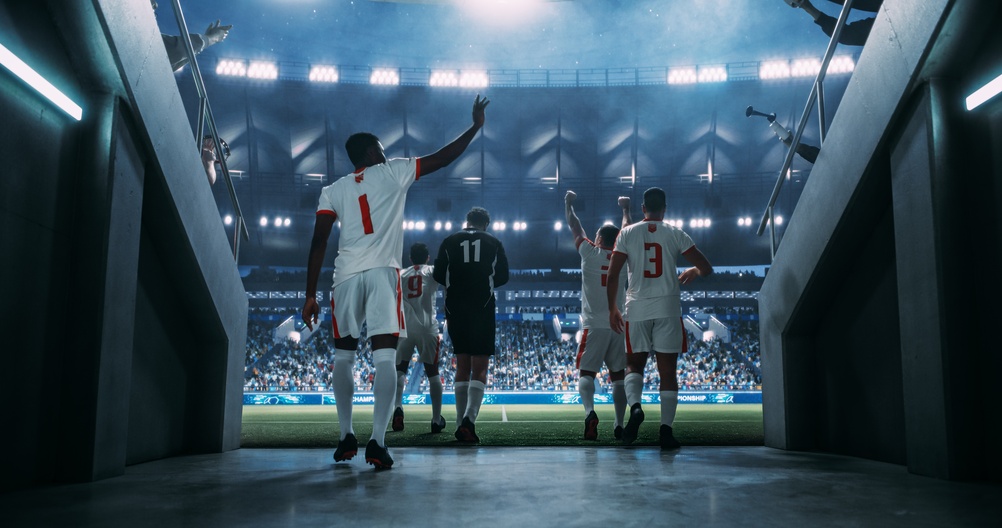
The P-1A visa classification is available to internationally recognized athletes and athletic teams competing in qualifying events, tournaments, seasons, or competitions in the United States.
Professional sports organizations commonly use the P-1A category for players, competitors, coaches, and related personnel participating in approved athletic events.
P-1B Visas for Entertainment Groups
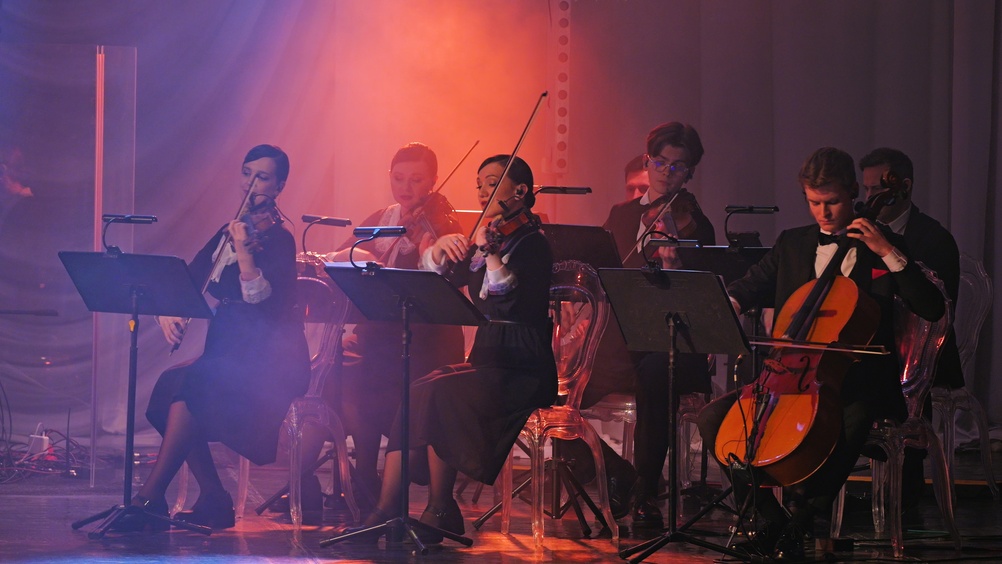
The P-1B category applies to internationally recognized entertainment groups performing in the United States. Bands, touring groups, circus productions, dance companies, and other entertainment organizations may qualify when the group demonstrates sustained international recognition and organizational continuity.
USCIS generally requires that at least 75% of the members have maintained an ongoing relationship with the group for at least one year.
P-2 Visas for Exchange Program
The P-2 visa category applies to artists and entertainers participating in reciprocal exchange programs between organizations in the United States and abroad.
These petitions commonly involve recognized exchange programs within the arts, entertainment, or performance industries.
P-3 Visas for Culturally Unique Performers
The P-3 category allows artists and entertainers to participate in culturally unique performances, presentations, workshops, or educational programs in the United States.
Applicants must generally demonstrate that the performance represents a traditional, ethnic, folk, cultural, or artistic expression.
Who May Qualify for a P Visa?
The P visa category applies to athletes, performers, entertainment groups, and certain support personnel participating in qualifying events, performances, competitions, or cultural programs in the United States. Eligibility depends on the specific classification, sponsorship arrangement, and nature of the performance or event.
Professional Athletes and Sports Teams
Professional athletes competing individually or as part of internationally recognized teams may qualify for P-1A classification. This category is commonly used for professional leagues, tournaments, competitions, exhibitions, and other qualifying athletic events held in the United States.
Certain coaches, trainers, and essential support personnel may also qualify when their services are integral to the athlete’s participation.
Musicians, Bands, and Touring Artists
Bands, touring musicians, orchestras, DJs, stage productions, and entertainment groups often use the P-1B category for concerts, festivals, tours, and scheduled performances throughout the United States.
USCIS typically reviews contracts, tour schedules, venue confirmations, and evidence of international recognition during the petition process.
Performers in Cultural Programs
Artists and entertainers participating in culturally unique performances may qualify under the P-3 category. These cases often involve cultural festivals, traditional performances, workshops, or educational events connected to a specific cultural or artistic tradition.
Supporting documentation generally must establish the cultural significance of the performance or program.
Essential Support Personnel
Certain support personnel may qualify for related P visa classifications when their role is essential to the athlete’s or performer’s participation. Examples may include coaches, trainers, choreographers, technical staff, or production personnel directly connected to the event or performance.
Requirements for a P Visa Petition
P visa petitions require substantial supporting documentation from both the sponsor and the athlete or performer. USCIS carefully reviews whether the petition satisfies the requirements for the requested classification.
Sponsorship Requirements
A qualifying U.S. employer, agent, production company, sports organization, or sponsoring institution must generally file the petition on behalf of the athlete, artist, or entertainment group.
In some situations, U.S.-based agents may coordinate filings involving multiple employers, venues, events, or tour locations. Sponsorship arrangements must be properly documented and consistent with the proposed itinerary.
Event and Performance Documentation
One of the most important components of a P visa petition is the event itinerary and supporting performance documentation. USCIS often expects detailed schedules identifying competitions, performances, tour dates, venues, appearances, and production timelines.
Supporting evidence may include:
- Contracts
- Event confirmations
- Venue agreements
- Competition schedules
- Promotional materials
- Tour calendars
- Production schedules
Incomplete or inconsistent itineraries are a common source of USCIS scrutiny and Requests for Evidence.
Proof of International Recognition
P visa classifications often require evidence demonstrating international recognition within the athlete’s or performer’s field. USCIS may review:
- Awards and honors
- Rankings
- Media coverage
- Critical reviews
- Major performances
- League participation
- Commercial success
- Industry reputation
The strength and quality of supporting evidence can significantly affect the success of the petition.
Group Qualification Rules
Entertainment group petitions often involve additional qualification requirements regarding group continuity and membership history. USCIS may examine whether the required percentage of performers have maintained an ongoing relationship with the group and whether the organization has an established performance history.
Changes in membership, touring personnel, or production structure may require careful immigration review.
Documents Commonly Required for P Visa Cases
P visa petitions often involve substantial supporting documentation related to the athlete, performer, sponsor, and scheduled events.
Athlete and Performer Documentation
- Awards and recognition records
- Press coverage and media articles
- Rankings or league participation records
- Performance history
- Reviews or industry publications
- Cultural performance documentation
- Membership records for entertainment groups
Contracts and Event Materials
- Tour schedules and itineraries
- Competition calendars
- Venue confirmations
- Performance agreements
- Production schedules
- Promotional materials
- Exchange program documentation
Sponsor and Organizational Records
- Sponsorship agreements
- Agent documentation
- Organizational records
- Employer information
- Payroll or compensation records
- Prior immigration filings
USCIS may issue Requests for Evidence requesting additional materials or clarification regarding the itinerary, sponsorship structure, or qualifications of the athlete or performer.
The P Visa Application Process
P visa petitions typically involve several stages involving both USCIS and, in some situations, U.S. consular processing abroad.
Preparing Form I-129
The sponsoring organization or agent generally files Form I-129 together with supporting documentation demonstrating eligibility for the requested P classification.
Submitting Supporting Evidence
Supporting evidence often includes contracts, event schedules, performance records, recognition materials, organizational documentation, and itinerary information.
Strong organization and consistency throughout the filing are important, particularly in cases involving multiple venues, employers, or tour locations.
USCIS Review
USCIS reviews whether the petition satisfies the legal requirements for the requested category. Officers may issue Requests for Evidence seeking clarification regarding event schedules, recognition evidence, sponsorship arrangements, or group eligibility.
Event verification and itinerary scrutiny are common in entertainment and touring-related petitions.
Consular Processing or Change of Status
Applicants outside the United States may attend a visa interview at a U.S. consulate following petition approval. Individuals already present in the United States may sometimes request a change of status depending on their circumstances.
Common Challenges in P Visa Cases
P visa petitions often involve complex scheduling, sponsorship coordination, and documentation requirements. Certain issues frequently create delays or USCIS concerns.
Weak Evidence of International Recognition
Petitions supported by limited media coverage, insufficient performance history, or weak industry recognition may face additional scrutiny.
Incomplete Itineraries or Event Schedules
USCIS frequently reviews whether the petition contains a clear and detailed itinerary covering all planned events, performances, or competitions.
Missing venues, incomplete dates, or inconsistent schedules may lead to Requests for Evidence.
Problems With Group Eligibility
Entertainment groups sometimes face complications involving membership continuity requirements or insufficient evidence regarding the group’s performance history.
Issues With Sponsorship Arrangements
Petitions involving multiple employers, agents, venues, or production organizations require careful coordination. Inconsistent sponsorship documentation may create immigration concerns.
Last-Minute Performance Changes
Tour schedules, competitions, venues, and productions sometimes change unexpectedly. Certain changes may require amended petitions or updated immigration filings depending on the circumstances.
P Visa Extensions and Maintaining Status
P visa holders may qualify for extensions when additional performances, competitions, tours, productions, or events are scheduled in the United States. Extension requests typically require updated schedules, supporting documentation, and continued sponsorship information.
Changes involving employers, tour dates, venues, production schedules, or sponsorship arrangements may require amended immigration filings depending on the circumstances. Unauthorized work outside the approved petition may create immigration complications or affect future filings.
Maintaining accurate records and properly documenting schedule changes is important throughout the duration of P visa status.
How Luke Bowman Law Assists Athletes, Artists, and Performers
P visa petitions often require coordination between sponsors, venues, production organizations, agents, and performers. Our firm assists clients throughout the preparation and filing process.
Preparing Strong Supporting Documentation
We help clients organize evidence supporting international recognition, event participation, sponsorship structures, and qualification requirements.
Managing Complex Event Schedules and Tours
Our firm assists with petitions involving multiple venues, tours, productions, competitions, and changing event schedules.
Responding to USCIS RFEs
If USCIS requests additional evidence, we help prepare organized and strategic responses addressing the agency’s concerns.
Strategic Immigration Planning for Performers and Athletes
We assist athletes, performers, and entertainment professionals with evaluating future immigration options, ongoing U.S. work authorization needs, and long-term immigration planning.
Frequently Asked Questions About P Visas
How long does a P visa last?
The length of approved P visa status depends on the classification, event schedule, and duration of the approved activities.
Can family members accompany P visa holders?
Spouses and unmarried children under 21 may generally apply for P-4 dependent status.
Can a P visa holder work for multiple employers?
In some situations, petitions may involve multiple employers or venues through a qualifying agent arrangement. Proper documentation and sponsorship coordination are important.
What qualifies as international recognition?
USCIS evaluates awards, rankings, media coverage, critical reviews, commercial success, and participation in distinguished events or organizations.
Can bands tour the United States on a P visa?
Yes. Touring bands, entertainment groups, and production organizations commonly use the P-1B category for performances throughout the United States.
What happens if performances change after filing?
Certain schedule or venue changes may require amended filings or updated immigration documentation depending on the circumstances.
Can support staff obtain P visa classification?
Some essential support personnel may qualify when their services are integral to the athlete’s or performer’s participation.
What is the difference between P and O visas?
The O visa category generally applies to individuals with extraordinary ability, while P visas often focus on athletes, entertainment groups, exchange programs, and culturally unique performers.
Can a P visa lead to a green card?
Some athletes and performers may later explore employment-based or extraordinary ability immigration pathways depending on their qualifications and long-term goals.
Speak With a P Visa Attorney
P visa petitions often involve detailed scheduling requirements, sponsorship coordination, event documentation, and ongoing immigration compliance. Whether you are an athlete, performer, entertainment group, production company, or sponsoring organization, experienced legal guidance can help you prepare a stronger and more organized case.
Luke Bowman Law assists athletes, artists, entertainers, and organizations with P visa petitions, extensions, sponsorship concerns, and long-term immigration planning.
Call (810) 522-5405 or contact our office to schedule a consultation.