The FY 2027 H-1B cap season marks a major shift in how U.S. work visas are allocated, with the Department of Homeland Security moving away from a purely random lottery to a new wage-based weighted selection system.
Scheduled to take effect from February 27, 2026, this change prioritizes higher-paid roles using the Department of Labor’s four-level prevailing wage structure, significantly influencing employer strategy, preparation timelines, and selection odds.
Alongside this, a proposed $100,000 filing fee for certain cases and the likelihood of legal challenges add further complexity, making early planning and compliance more critical than ever for employers and beneficiaries navigating the 2026 (FY 2027) H-1B cap process.
Will the FY 2027 H-1B cap season see the implementation of the new system?
DHS intends to implement the system on February 27, 2026, ensuring its operation for the FY 2027 H-1B limit season, which is scheduled to commence in March 2026. This means that companies must give the Department of Labor (DOL) the prevailing wage level that corresponds to the salary they would offer each potential beneficiary enrolled in the H-1B cap registration system.
In summary, how will the yearly H-1B cap lottery be altered in 2026 (FY 2027)?
The Department of Homeland Security is replacing the long-standing random H-1B cap lottery process with a new weighted lottery under a new regulation that raises the chances of beneficiaries receiving the highest wages based on the Department of Labor’s four-level prevailing wage system.
What is the plan for the new weighted selection process?
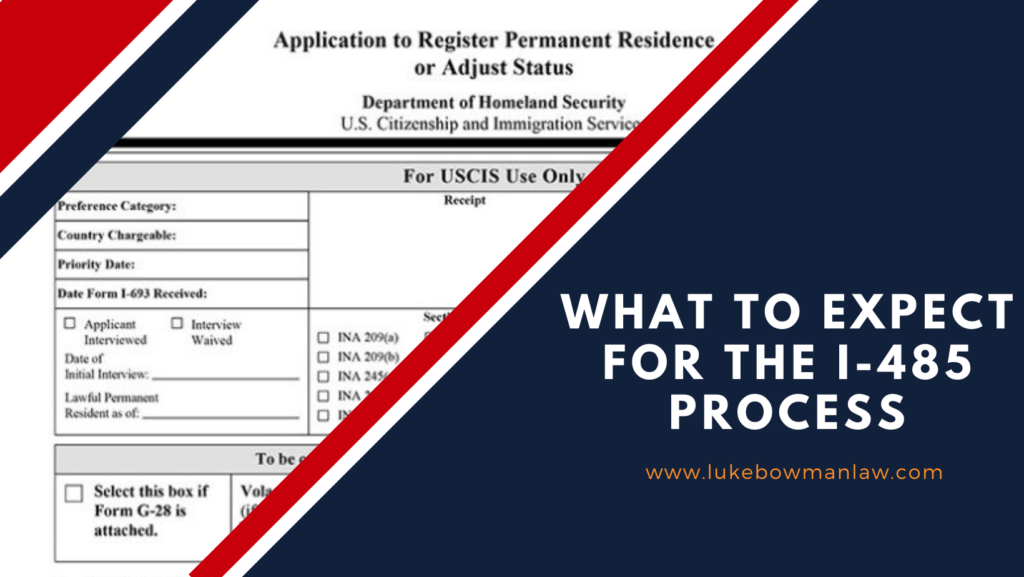
A beneficiary will be added to the selection pool four times if their offered wage matches Level 4 (the highest tier) of the four-level OEWS compensation system. A Level 1 beneficiary will be entered once, a Level 2 beneficiary twice, and a Level 3 beneficiary three times.
What happens if the beneficiary works in more than one place?
The same wage level should be consistent across all work locations. The highest wage available between the two locations must be paid at all times.

What impact does the new $100,000 charge have on companies registering potential H-1B workers for the FY 2027 cap?
The $100,000 fee is applicable to any H1b that is filed for an individual that is outside the United States or for an H1b where USCIS determines that they cannot grant an extension of stay or change of status. The immigration community is hopeful that one of three strong lawsuits against this rule is successful before the cap H1bs need to be submitted on June 30, 2026. The Fee is not applicable at the lottery stage, but is applicable when the H1b is filed IF it is for consular notification.
What impact will the new weighted system have on the cap lottery selection odds?
We anticipate a high selection rate. Because fewer people will enter the lottery, the petition’s odds of approval will be higher than in prior years.
Will companies’ preparation for the cap be impacted by the new regulation and the additional fee?
Yes. The sooner you begin the process, the better, so be ready.
Will there be a legal challenge to the new regulation?
Yes. Lawsuits are expected. This regulation is likely to be challenged.

The 2026 H-1B cap process marks a major transition toward wage-based selection, increased scrutiny, and tighter timelines. With new regulations, potential additional fees, and ongoing legal challenges, early and informed preparation is essential for success in the FY 2027 H-1B cap season. Employers and beneficiaries are strongly encouraged to consult with experienced immigration professionals and begin planning now to maximize selection chances and ensure full compliance with evolving H-1B requirements.