Prudential visa revocation can be confusing and stressful, especially for H-1B visa holders who are unsure how it may affect their stay or future travel.
Although this type of revocation does not immediately impact your legal status while you are in the United States, it can create serious challenges when you travel or apply for a new visa. This blog explains what prudential visa revocation means, why it happens, how you may be notified, and the steps you should take to protect your immigration status.
What is a prudential visa revocation?
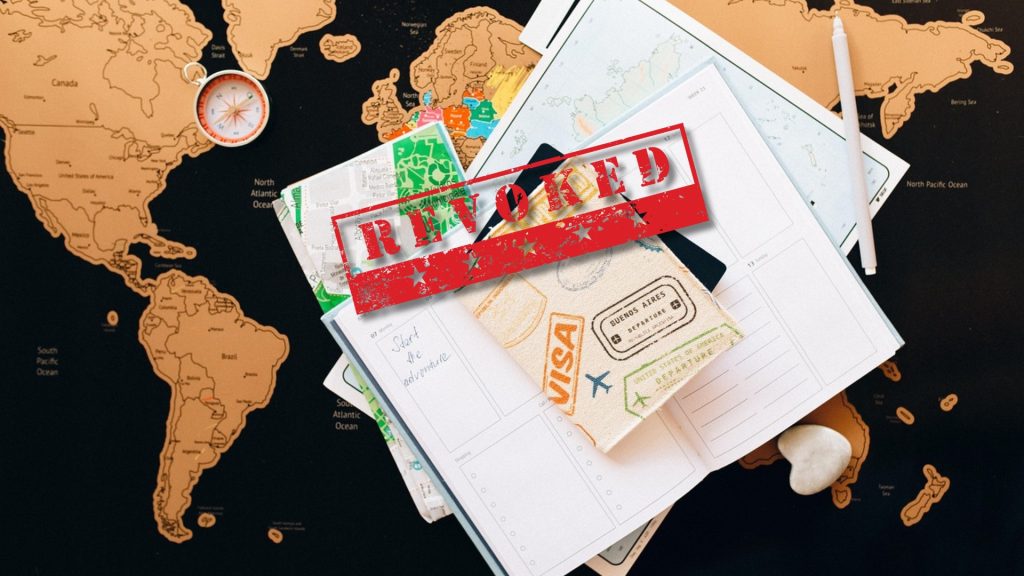
The Department of State (DOS) may, at its discretion, revoke a visa based on specific circumstances or suspicions without necessarily establishing the visa holder’s ineligibility. This process is known as prudential revocation.
This kind of revocation only takes effect when the visa holder leaves the country. The visa is automatically terminated after the person leaves the country, although their status is not immediately impacted while they are still in the United States.

Why does a prudential visa revocation happen?
When someone is accused of certain crimes, such as DUI or fraud, prudential revocation frequently takes place. Additionally, it may occur even if the matter is still pending or is eventually settled.
The revocation is based on unfavorable facts or other issues that might not instantly make the person inadmissible but call for more investigation.
A prudential visa revocation has no bearing on the lawful stay or presence of H-1B visa holders in the United States. But it might affect their chances of getting a new visa or their ability to re-enter the country in the future.
The revocation takes effect right away if the person departs the United States, and they can encounter difficulties trying to return.
What does it mean for you?
If you are an H-1B visa holder who is facing or has previously faced criminal charges, you should consult with an immigration attorney before going.
It is also critical to check with an immigration attorney before extending your H-1B status, as we are seeing an increase in the number of people obtaining biometric notices due to pending or completed criminal charges.
How will I know if my visa has been revoked?
A revocation notice is normally sent to the email address you provided on your DS-160 application by the Department of State.
Typically, the notice says that your visa has been withdrawn as a precaution and cites INA §221(i).
Your employer or school may be notified if your work or student visa is revoked.
If you are outside the United States and try to return, the airline can refuse to let you board, or CBP officers at the port of entry might refuse to let you in because the system shows that your visa has been revoked.
Therefore, it is recommended that you check the status of your visa on CEAC on a frequent basis.

What Happens Next, and What Should You Do?
If your visa has been prudentially revoked while you are in the United States, you should not travel until you have consulted with a qualified immigration attorney.
If you have questions regarding your circumstances, don’t be afraid to speak with an immigration attorney.
A knowledgeable attorney can assist you in getting ready to apply for a new visa, get in touch with authorities as necessary, and make sure your status is maintained correctly.
If you are outside the United States and receive a revocation notice, you would need to complete a new application for a visa stamp and go for an interview.
It is highly recommended that you consult with an attorney to discover what steps you may be able to take to ensure that your new stamping process is successful.
Ongoing Updates
Luke Bowman Law will continue to monitor and update the situation.
If you have questions regarding your specific situation, feel free to contact us or book an appointment here.